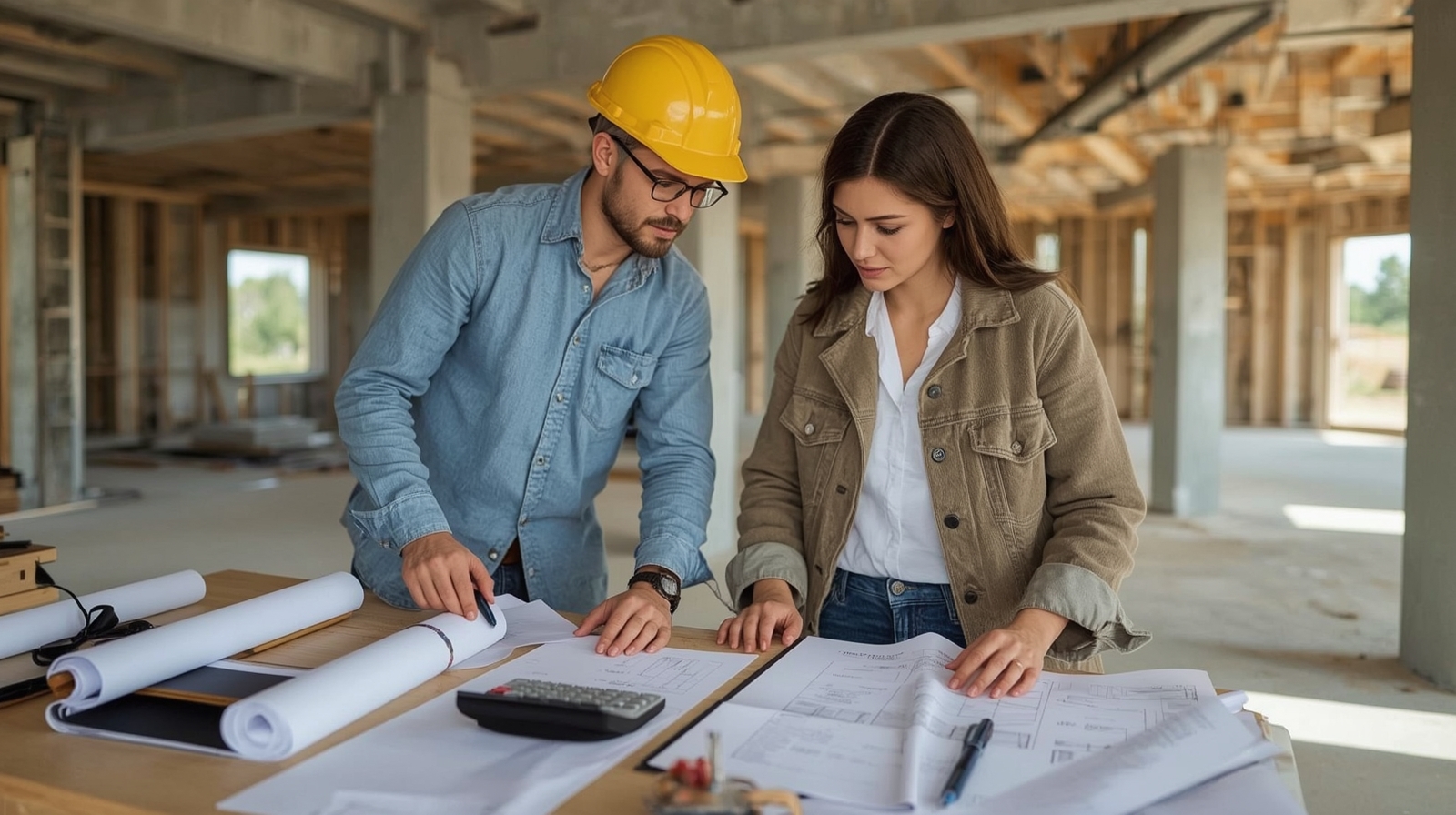
Smart Construction Budget Planning for Homeowners 2026
Introduction: Why Construction Budget Planning Is Critical
Building a house is one of the biggest financial decisions a homeowner will ever make. Yet, many people start construction without proper budget planning — and later face cost overruns, project delays, or compromised quality.
This is why construction budget planning for homeowners is not optional — it is essential.
A well-planned budget helps you:
-
Control expenses
-
Avoid hidden costs
-
Maintain construction quality
-
Complete the project without stress
This step-by-step guide explains how to plan your construction budget correctly, based on real construction practices in India.
Step 1: Understand Your Total Budget Capacity
Before discussing construction costs, ask yourself one honest question:
“How much can I comfortably spend?”
Your total budget should include:
-
Construction cost
-
Government approvals & permissions
-
Architect & engineer fees
-
Interior & finishing costs
-
Emergency buffer (10–15%)
👉 Never plan your budget based only on construction rate per square foot.
Step 2: Know Your Plot Details (Very Important)
Your plot plays a major role in construction cost.
Important factors:
-
Plot size & shape
-
Soil condition
-
Road width
-
Orientation (East, West, etc.)
For example:
-
Weak soil increases foundation cost
-
Irregular plots increase design & labour cost
Ignoring this step leads to wrong budget estimation.
Step 3: Soil Test & Foundation Cost Planning
One of the most common mistakes homeowners make is skipping soil testing.
Why soil test matters:
-
Determines foundation type
-
Avoids over-design or under-design
-
Saves money long term
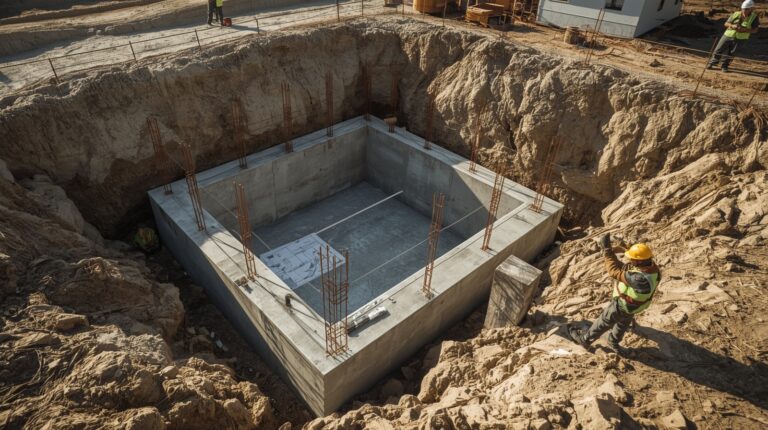
Foundation + structure usually consumes 50–60% of total construction budget.
Proper construction budget planning for homeowners always starts from the ground.
Step 4: Decide the Type of Construction (Scope)
Your construction type directly impacts cost:
-
Independent house
-
Duplex
-
Villa
-
Rental building
Also decide:
-
Number of floors
-
Built-up area
-
Parking requirements
Bigger scope = higher material + labour cost.
Step 5: Prepare a Detailed Cost Breakdown
Never accept a lump-sum estimate.
A good construction budget should be broken into:
-
Excavation
-
Foundation
-
RCC structure
-
Brickwork
-
Plastering
-
Electrical & plumbing
-
Flooring
-
Painting
-
Doors & windows
This clarity helps homeowners track expenses and avoid overbilling.
Step 6: Material Quality vs Budget Balance
Budget planning does NOT mean choosing the cheapest materials.
Wrong approach:
“Let’s reduce cement or steel quality to save money.”
Correct approach:
“Let’s optimize design without compromising structure.”
Material selection should focus on:
-
ISI-marked cement
-
Proper steel grade
-
Long-lasting materials
This balance is the heart of construction budget planning for homeowners.
Step 7: Labour Cost & Timeline Planning
Labour cost depends on:
-
Location
-
Skill level
-
Project duration
Delays increase:
-
Labour cost
-
Rental expenses
-
Material price fluctuations
Always plan a realistic timeline and stick to it.
Step 8: Approval & Legal Costs (Often Ignored)
Many homeowners forget to include:
-
GHMC / HMDA approvals
-
Plan sanction fees
-
Utility connections
These costs may seem small but add up quickly.
Proper construction budget planning for homeowners always includes legal expenses.
Step 9: Interior & Finishing Budget Allocation
Interior work is flexible but dangerous for budget overruns.
Recommended approach:
-
Fix maximum interior budget
-
Prioritize essentials first
-
Upgrade later if budget allows
Never spend interior money by reducing structural quality.
Step 10: Keep a 10–15% Contingency Fund
Unexpected costs are part of construction:
-
Material price rise
-
Design changes
-
Site issues
A contingency fund protects you from:
-
Project stoppage
-
Compromised quality
This step separates smart homeowners from stressed ones.
Step 11: Choose the Right Contractor
A good contractor helps you:
-
Plan realistic budgets
-
Control material wastage
-
Avoid rework
-
Maintain transparency
At SS Poddar Constructions, budget planning is done before construction starts, not during construction.
Common Budget Planning Mistakes to Avoid
❌ Starting construction without cost breakup
❌ Ignoring soil test
❌ Choosing lowest-price contractor
❌ No contingency fund
❌ Changing design frequently
Avoiding these mistakes saves lakhs of rupees.
Final Thoughts: Budget Planning Is Quality Planning
To summarize, construction budget planning for homeowners is about control, clarity, and confidence.
A properly planned budget ensures:
-
On-time completion
-
Strong construction
-
Long-term value
-
Peace of mind
📌 Conclusion
If you are planning to build a house, don’t guess your budget — plan it professionally.
A house is a lifetime investment, and budget planning is its foundation.
SS Poddar Constructions helps homeowners build strong, quality homes within a planned budget, without surprises.